

SCG supports clients to design, improve and review drinking water management systems, risk assessments and operational controls. Where independent confirmation is required, SCG also provides audits, inspections and evidence-based reporting suitable for compliance, due diligence and scrutiny.
Safe drinking water is achieved through control of system risk — not reliance on end-point sampling.
What we do
Capabilities
- ADWG-aligned drinking water risk assessments and Water Quality Risk Management Plans
- Drinking water quality audits, inspections and compliance reviews
- Legionella risk reviews and verification of control effectiveness
- Remote camp and accommodation village water quality programs
- Sampling program design, lab liaison and chain-of-custody support
- Incident and outbreak response, including verification, evidence capture and defensible reporting
How we deliver
Our approach
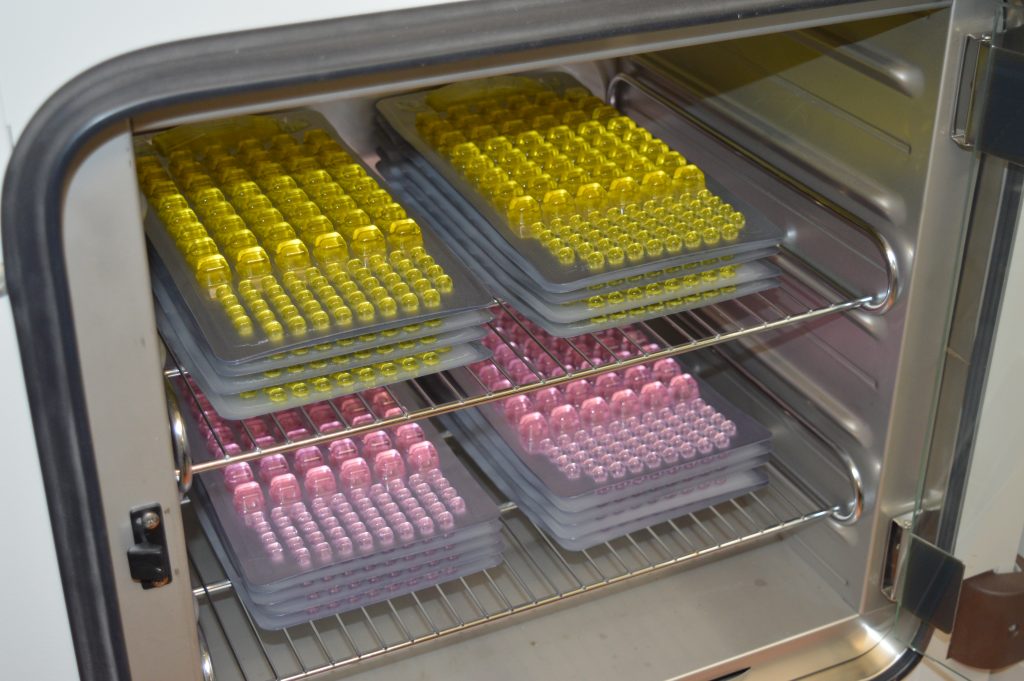
ADWG support, risk management and system uplift
- Water Quality Risk Management Plans, risk assessments and supporting procedures aligned with the Australian Drinking Water Guidelines (ADWG) and, where relevant, IATA requirements.
- Monitoring program design, inspection regimes and corrective action governance, including targeted uplift plans where control gaps or recurring issues are identified.
- Management system simplification and technical writing to remove duplication and reduce administrative burden in water quality programs.
- Digital water quality workflows, remote monitoring support and evidence capture arrangements suited to dispersed sites, accommodation villages and remote camp operations.
Independent review, audit and verification
- Independent drinking water risk assessments, water quality audits and ADWG-aligned reviews.
- Legionella risk management reviews and verification of control effectiveness for high-risk premises.
- Compliance inspections and internal audit support for remote and complex water supplies, including camps, accommodation villages, aviation environments and other high-risk settings.
- Field sampling, testing coordination, lab liaison and chain-of-custody support, including practical programs for remote camp water supplies.
- Incident and outbreak response support, including verification, evidence capture and defensible reporting.
Where we work
Sectors
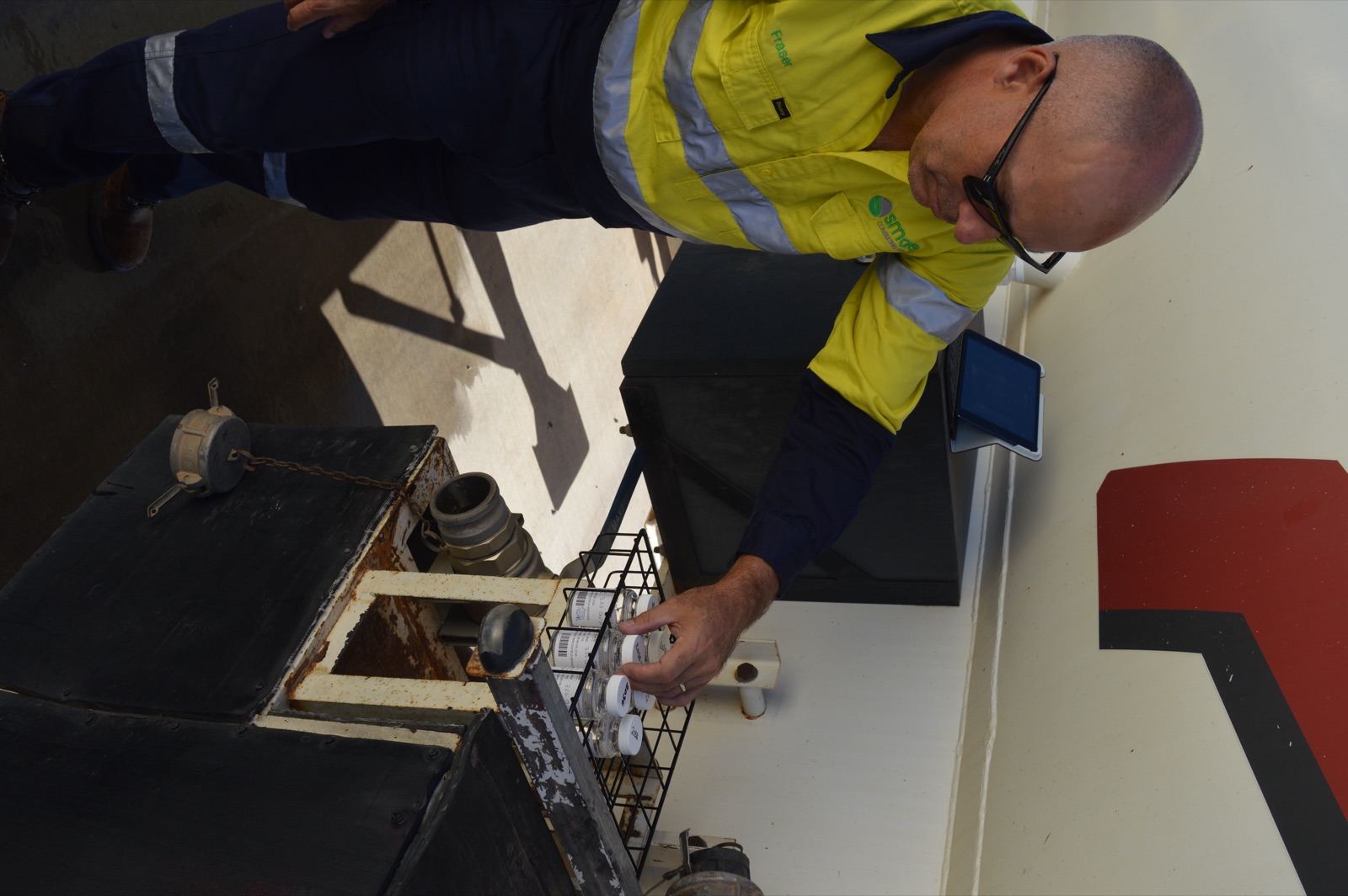
Particular expertise is applied in remote and decentralised water systems, where storage integrity, disinfection reliability, contractor interfaces and site conditions require practical solutions that operate within operating realities.
Outputs you receive
What you receive
- ADWG-aligned risk assessment reports with prioritised findings
- Drinking water management plans, procedures and monitoring programs
- Audit and inspection reports with traceable evidence
- Corrective action plans and improvement registers
- Advisory reports suitable for regulator engagement, procurement due diligence and executive decision-making
Where inspection activities fall within SCG’s accredited scope, reports may be issued in accordance with ISO/IEC 17020 requirements.
Why SCG
How we work
- Independent and impartial, with no vendor or treatment-product bias
- NATA-accredited inspection body (ISO/IEC 17020) within defined scope
- Specialist experience in remote and decentralised water systems
- Water quality reports structured for ADWG compliance defence, regulator engagement and duty of care demonstration — suitable for remote camp operators, airlines and defence facilities
- Direct access to senior practitioners, with no handoff layers
Accredited for compliance with ISO/IEC 17020. Smale Consulting Group’s detailed scope of accreditation is available here. Accreditation No. 20913. More about our accreditations.
Related services
Explore more
In their words
What clients say
“SCG has supported remote and mobile operations for more than 10 years, providing practical and flexible support across food safety, water quality, and WHS. The approach reflects strong regulatory understanding and is effectively applied in complex and remote environments.”
CEO – National Mobile Camps
Related work
See this work in practice
De-identified examples of SCG’s drinking water quality engagements, each describing the sector, the scope and what was delivered.
Our work: Drinking water quality case studies →
Standards and accreditation
Australian Drinking Water Guidelines · IATA operations and infrastructure · NATA · Global ACI
FAQ
Common questions
Can SCG support remote camp and accommodation village water quality?
What is included in a drinking water risk assessment?
How is an ADWG-aligned audit different from water sampling and testing?
How does SCG avoid “paper safe” outcomes in water quality programs?
Does SCG support Legionella risk management for high-risk premises?
What are common risk drivers for remote and high-risk water supplies?
Are SCG reports suitable for regulatory use?
Where the supply serves a remote camp or accommodation village, the chain runs from bore or tanker through on-site storage and treatment, and each link is owned by someone different.
Not sure where to start? Let’s talk.
Send a scope, or book a short call. We will tell you plainly what an engagement would involve and what it would cost.