

SCG supports clients to design, improve and review food safety systems, HACCP-based programs and operational controls. We work across single-site, multi-site and contractor-operated environments, with particular experience in remote camp food safety where supply-chain constraints, workforce turnover and environmental conditions require controls that are robust, usable and consistently applied.
SCG designs and reviews food safety programs in accordance with HACCP principles and, where relevant, ISO 22000.
Safe food outcomes depend on HACCP-based systems that identify hazards, control critical points and verify that controls are consistently implemented in practice.
What we do
Capabilities
- HACCP-based Food Safety Program design, review and implementation support
- Food safety compliance audits and food premises inspections
- HACCP verification and validation of critical controls
- Allergen management audits and supply chain verification
- Remote camp and accommodation village food safety reviews
- Cold-chain, storage and receiving verification
How we deliver
Our approach
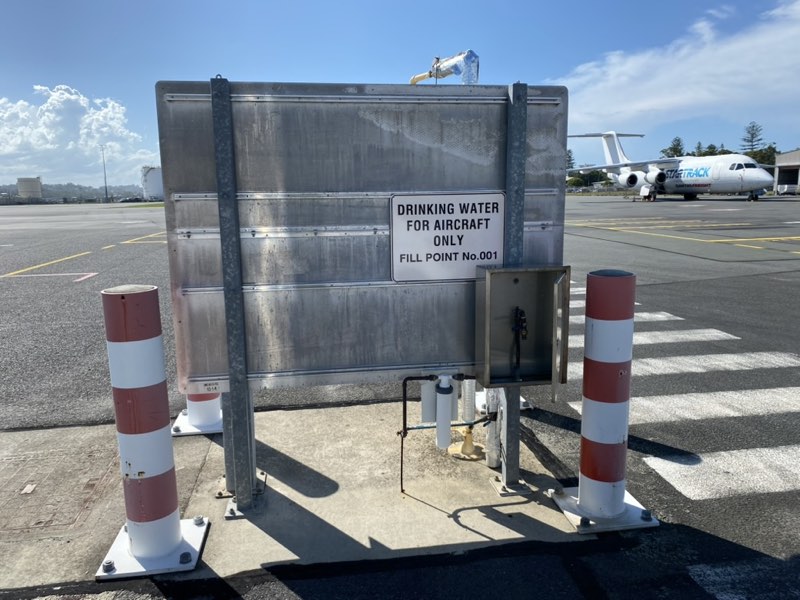
HACCP, Food Safety Programs and system uplift
- HACCP-based Food Safety Program design, review and implementation support, including practical rollout across single-site, multi-site and contractor-operated environments.
- Gap analysis, internal audit and pre-certification support where required, including targeted uplift plans.
- Management system simplification, technical writing and de-cluttering to reduce administrative burden and make critical controls easier to apply across sites and shifts.
- Digital food safety workflows and monitoring arrangements, including solutions suited to dispersed sites and remote camp operations where oversight, consistency and traceability matter.
Independent review, audit and verification
- Independent food safety compliance audits and inspections across single-site, multi-site and contractor-delivered operations.
- HACCP verification and validation support, including confirmation that critical controls, monitoring and corrective actions are operating as intended.
- Food premises inspections and onsite verification with clear, defensible reporting suitable for governance, licensing or due diligence needs.
- Allergen management audits and verification of allergen controls across sites and supply chains.
- Remote camp food safety reviews covering catering operations, accommodation village kitchens, receiving and storage, cold-chain integrity, workforce competency, contractor oversight and practical controls for high-turnover, high-consequence environments.
Where we work
Sectors
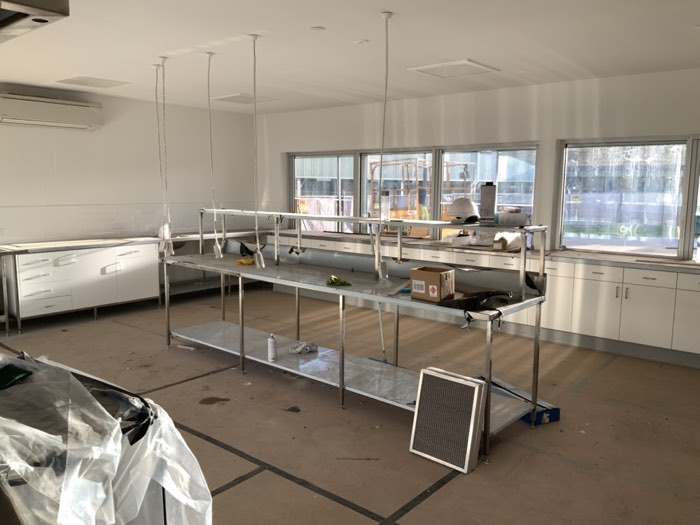
Particular expertise is applied in remote camp and decentralised catering operations, where supply-chain constraints, workforce turnover, accommodation pressures, variable supervision and environmental conditions require controls that are robust, usable and consistently applied.
Outputs you receive
What you receive
- Food Safety Program reviews and HACCP documentation
- Audit and inspection reports with traceable evidence and prioritised findings
- Allergen control verification reports
- Cold-chain, storage and receiving assessments
- Corrective action plans and improvement registers
- Advisory reports suitable for regulator engagement, procurement due diligence and executive decision-making
Why SCG
How we work
- No third-party auditor conflict of interest — SCG’s food safety findings are not influenced by certification revenue, ongoing audit contracts or preferred outcomes
- Queensland Health Approved Food Safety Auditors
- Specialist experience in remote camp and decentralised food operations
- Multi-site and contractor program capability
- Food safety audit reports structured for Queensland Health, procurement teams and executive decision-makers — written in language that operations teams can act on
Accredited for compliance with ISO/IEC 17020. Smale Consulting Group’s detailed scope of accreditation is available here. Accreditation No. 20913. More about our accreditations.
Related services
Explore more
In their words
What clients say
“SCG provided senior-level advice across complex, high-profile venue and event operations, strengthening operational performance, reducing risk, and supporting brand protection in demanding environments. The approach was practical, commercially grounded, and dependable under tight timeframes and scrutiny.”
Executive Director – Large-Scale Venue and Events Organisation
Related work
See this work in practice
De-identified examples of SCG’s food safety engagements, each describing the sector, the scope and what was delivered.
Our work: Food safety case studies →
Standards and accreditation
Food Standards Code · Queensland Health food safety · ISO 22000 · NATA
FAQ
Common questions
What is included in a food safety compliance audit?
What is HACCP verification, and how is it different from a food premises inspection?
How does SCG avoid “paper safe” outcomes in HACCP and food safety programs?
How does SCG verify allergen controls across multiple sites or venues?
When should a Food Safety Program be reviewed or rebuilt?
Can SCG support remote camp food safety?
Are SCG reports suitable for regulatory use?
For catering in remote camps and villages, the operator holds the contract and the contractor holds the food safety program — but the risk stays with the operator.
Not sure where to start? Let’s talk.
Send a scope, or book a short call. We will tell you plainly what an engagement would involve and what it would cost.